.png)
Guam is beautiful — no argument there. We wake up to warm ocean air, turquoise water, and views that stop you in your tracks. But island life comes with a reality that’s easy to forget on a calm day: we’re not immune to natural disasters.
That’s not a reason to live in fear. It’s a reason to live with awareness.
Whether you’ve lived on Guam your whole life or just arrived, it’s important to understand that our island isn’t just exposed to the elements — we’re surrounded by them. Earthquakes. Typhoons. Tsunami risks. Heavy rain. Coastal erosion. We don’t need to panic about any of it — but we do need to stay prepared.
This isn’t a crisis post. It’s a practical one. Because most of the time, life on Guam is calm, steady, and safe. But when things shift — preparation makes all the difference.
 Why Guam Is at Risk
Guam sits in one of the most active regions in the Pacific. We’re located along the “Ring of Fire,” where tectonic plates shift and grind — meaning earthquakes are part of our landscape. We’re surrounded by warm ocean water, which fuels typhoons during the summer and fall. And while most quakes we feel are minor, some offshore events can trigger tsunami watches depending on location and depth.
Factor in steep terrain, aging drainage infrastructure, and long rainy seasons — and it’s clear that ignoring risk here isn’t an option.
 The Big Five Hazards on Guam
- Typhoons
These are the most frequent major threats. Strong winds, flooding, and storm surge can damage homes, disrupt power and water, and block roads for days. - Earthquakes
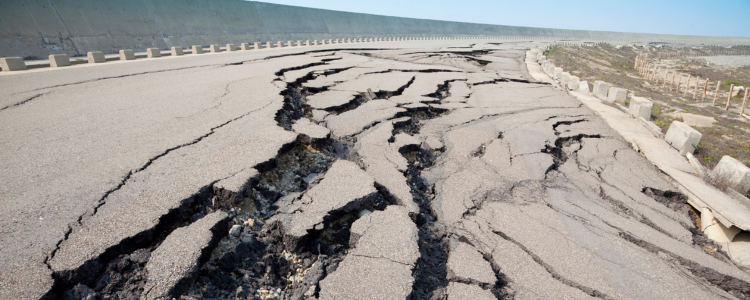
Most are harmless, but strong quakes can cause structural damage, landslides, or cut utilities. Aftershocks may hit unexpectedly. - Tsunamis
Not common, but serious. A tsunami watch means “stay alert.” A warning means move immediately 100 feet inland or 50 feet in elevation. Don’t wait for visual signs. - Flooding and Landslides
Tropical rains, clogged drains, or unstable slopes can trigger dangerous slides or quickly rising water in low-lying areas. - Utility Disruptions
Power, water, and communications can all be interrupted by storms or quakes. With limited redundancy on-island, recovery sometimes takes time.
What Preparedness Looks Like on Guam
Preparedness doesn’t mean panic buying or building a bunker. It means having habits in place that keep you calm when others are scrambling. Here’s how that looks in daily life:
1. Know your elevation and flood risk
Are you in a coastal or low-lying area? What’s the closest high ground? If you don’t know, check with your village office, landlord, or property manager.
2. Back up your documents
Scan IDs, insurance policies, deeds, and important records. Store them in the cloud and on a USB drive. Keep waterproof paper copies in a zip bag.
3. Stock the essentials
Aim for 2–3 days of self-sufficiency. Water, shelf-stable food, medications, flashlights, batteries, charger banks, and hygiene items are your foundation.
If you have a generator, make sure it’s tested and fueled early. Keep extra gasoline in approved containers, stored safely outside in a shaded, ventilated area. Add a fuel stabilizer if you don’t plan to use it right away, and rotate stock every few months.
And don’t forget your car — keep the tank full. It could be your only charger, your escape plan, or your cooling system if power goes out for days.
4. Prepare for power loss
Whether you have a generator or not, think about how you’ll stay powered and cool. Use power banks, battery-operated fans and lights, and frozen water bottles to extend food safety and comfort during an outage.
5. Make a communication plan
Decide how you’ll contact family and neighbors. Choose a group chat or central contact, and identify where you’ll meet if you lose signal. Write down emergency numbers and store them in your go-bag.

Guam Construction Realities: Concrete Roofs Aren’t Maintenance-Free
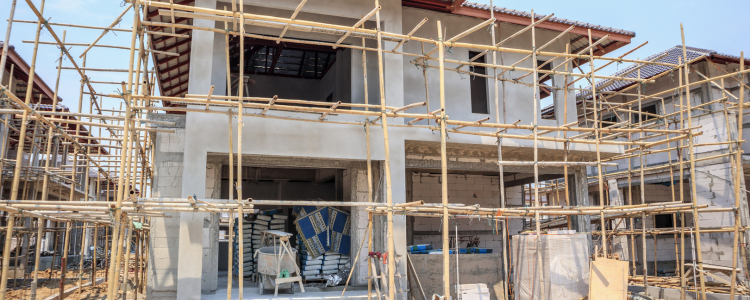
Most homes on Guam have concrete roofs — which is a huge advantage during storms. But concrete still needs care. Cracks, worn coatings, or clogged roof drains can lead to water intrusion, mold, or bigger problems if left unchecked.
If you’re a homeowner or landlord, make sure to:
- Inspect for cracks, rusted rebar, and pooling water
- Re-seal worn areas with proper waterproof coating
- Clear out all drains and overflow scuppers
- Check for signs of leaks on ceilings after heavy rain
- Schedule a roofing contractor for maintenance — not just repairs
For Landlords and Property Managers
Whether you live on Guam or manage from off-island, you need a disaster plan for your properties. That includes:
- A current contact list for tenants, vendors, and off-island owners
- Pre-storm inspections of roofs, drainage, and shutters
- Clear tenant communication before, during, and after an event
- Vendor relationships in place for fast repairs
- A process for documenting storm damage and handling insurance claims

Who’s Watching Your Property When You’re 7,000 Miles Away?
If you own property on Guam but don’t live here full-time, a natural disaster is more than a headline — it’s a source of stress. You’re thinking:
- Did anyone check the roof?
- Were tenants notified?
- What if there’s flooding?
- Will I even know if something goes wrong?
These aren’t just what-ifs — they’re the real questions that come up every time a typhoon is headed our way.
And here’s the thing: The time to ask them isn’t after the alert goes out. It’s before.
Whether it’s inspecting your concrete roof, cleaning roof drains, updating tenants calmly, or coordinating repairs after the storm — a reliable property manager in Guam is your eyes, ears, and voice on the ground.
You don’t just need someone who can collect rent.
You need someone who understands how to manage Guam’s real-world weather risks and protect your investment when you’re thousands of miles away.
.png)
Final Thought
Guam isn’t immune to disasters. But we’re not helpless either.
The difference between scrambling and staying calm is preparation — not panic. It’s knowing your property. Having the right people in place. And thinking through your plan before the next typhoon or tsunami hits the news.
Panic never helps. Preparation always does.
If you’re buying, selling, or managing property on Guam — especially from off-island — and you want to feel more confident about how your investment is protected during natural events, let’s talk.
--
With care,
Leah del Mundo
Guam’s Exclusive 72Sold Certified Agent
Guam’s First AI Certified Agent
