


|
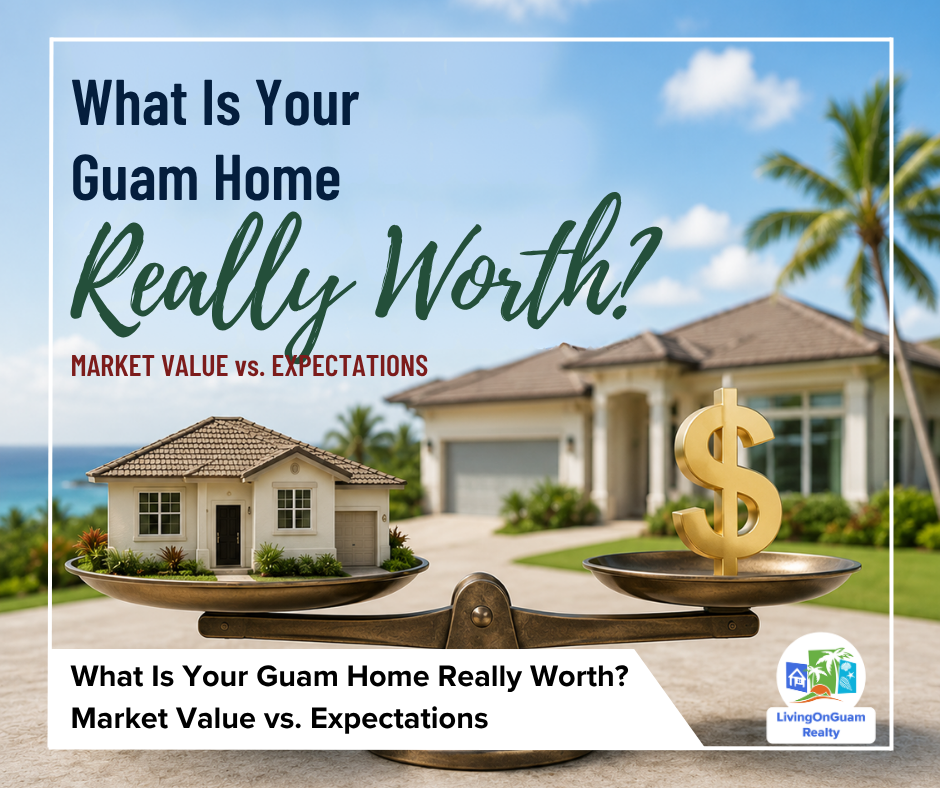
What your home is worth and what you hope it’s worth are not always the same number. And if you’re thinking about selling, that’s one of the most important conversations you’ll have. It’s completely natural to look at what you paid for your home, what you’ve invested in it over the years, and what you’d like to walk away with. After all, this isn’t just a house. It’s likely one of your largest financial assets. We’ve never met a Seller who wanted to hear their home might be worth less than they hoped. Honestly, we wouldn’t want to hear it either. But here’s the challenge. Buyers don’t see your home through the same lens you do. They don’t know what you paid for it. They don’t know how much you spent updating the kitchen, installing split AC units, repainting, upgrading bathrooms, adding solar panels, or improving the yard. And they certainly don’t know what number you need to make your next move work. “ The market doesn’t care what you need. It only cares what Buyers are willing to pay.”What Buyers do know is what other homes are available today and what similar homes have recently sold for. That’s what they compare your home against. And that’s why pricing isn’t about hopes, wishes, or even needs. It’s about the market. |
Table of Contents |
How Do Buyers Determine Value?
When Buyers shop for homes, they aren’t looking at your receipts.
They’re comparing options.
They’re asking questions like:
-
How does this home compare to others in the same price range?
-
Is it in a similar location?
-
Is it newer or older?
-
Does it offer better value than competing homes?
-
What monthly payment will I have?
In many ways, Buyers are shopping for value, not your story.
That’s why real estate professionals rely heavily on comparable sales.
Comparable sales, often called “comps,” are recently sold homes that closely resemble yours in size, location, age, condition, and features.
If you’ve ever wondered how agents arrive at a suggested list price, a Comparative Market Analysis (CMA) is often one of the primary tools used.
“ Your home’s value comes from what similar homes have recently sold for—not what similar homes are listed for.”
Why What You Spent Doesn’t Always Equal What You’ll Get Back
This can be frustrating.
Many homeowners assume that if they spent $50,000 on improvements, their home’s value automatically increased by $50,000.
Unfortunately, that’s not how markets work.
The market determines value.
Not construction invoices.
Not contractor receipts.
Not wishful thinking.
Now, does that mean improvements don’t matter?
Absolutely not.
Improvements can help:
-
Attract more Buyers
-
Generate more showings
-
Create stronger first impressions
-
Reduce objections during negotiations
-
Help a home sell faster
But improvements don’t always return dollar-for-dollar what was spent.
In fact, some projects return more than others.
According to Remodeling Magazine’s annual Cost vs. Value Report, some improvements consistently provide stronger returns than others when a home is sold.
“ Improvements can influence value, but the market determines how much value Buyers place on them.”
Previous Post
Guam Real Estate Market Update May 2026 | What It Means for Buyers and Sellers
What Happens When a Home Is Priced Too High?
This is where many Sellers accidentally create problems for themselves.
The thinking often goes like this:
“We can always come down later.”
Technically, that’s true.
But Buyers are watching from day one.
When a home enters the market significantly above what Buyers perceive as fair market value, several things tend to happen:
-
Fewer showings
-
Less online engagement
-
Longer time on market
-
More price reductions
-
More questions about what’s wrong with the property
Eventually, many overpriced homes end up chasing the market downward.
Meanwhile, realistically priced homes often generate stronger interest right from the start.
“ The first price is usually your best chance to capture maximum Buyer attention.”
The National Association of REALTORS® has written extensively about how pricing strategy affects Buyer activity and overall results.
A Guam Seller Story
Not long ago, we met with a Seller who was convinced their home should be listed substantially higher than the market data suggested.
And honestly, their reasoning made sense.
They had invested heavily in the property.
They had maintained it beautifully.
And they wanted to maximize their return.
Instead of debating opinions, we reviewed:
-
Recent sold homes
-
Pending sales
-
Active competition
-
Current Buyer behavior
Once the data was on the table, the conversation changed.
The Seller adjusted their expectations and positioned the home more competitively.
The result?
Strong showing activity shortly after launch and a successful sale without months of chasing the market through price reductions.
Every home is different.
But the lesson is often the same.
“ Data removes emotion from the pricing conversation.”
Why Do Different Agents Recommend Different Prices?
This is one of the most common questions Sellers ask.
If pricing is based on data, why do different agents sometimes suggest dramatically different numbers?
Because not every pricing strategy is designed for the same purpose.
Some agents focus on what the market data supports.
Others focus on winning the listing.
Unfortunately, those two goals aren’t always aligned.
A higher number may feel better during the listing appointment.
A realistic number often feels better at the closing table.
“ The best pricing conversation isn’t the one that feels good today. It’s the one that helps you reach the closing table.”

Related Post
Facing The Selling Struggle: Effective Solutions For A Stubborn Market
What Should Guam Sellers Be Looking At Right Now?
If you’re considering selling, pay close attention to:
-
Recent sold properties
-
Pending sales
-
Active competition
-
Days on market
-
Inventory levels
-
Buyer affordability
Most importantly, compare your home against properties that truly compete with it.
A home in one village may not compete directly with a home in another.
A newer home may attract a different Buyer than an older home.
Lot size, condition, location, and amenities all matter.
If you’re preparing to sell, our Selling on Guam guide walks through the process from pricing to closing.
Understanding how Buyers evaluate homes can also help Sellers price more strategically. Our Buying a Home on Guam guide explains what Buyers are looking for today.
You may also want to review our latest Guam Market Update to see what’s happening with inventory, pricing trends, and days on market.
Frequently Asked Questions
-
Can I price my home above market value and negotiate down?
You can, but many overpriced homes receive fewer showings and often require price reductions later.
-
Does this hurt loan approval?
No — when done properly through a lender.
-
Is this public?
No. Buyers control visibility.
-
Does this work with VA or conventional loans?
That depends on your situation — lender review is key.
-
Why do different agents recommend different prices?
Some agents focus strictly on market data while others may use more aggressive pricing strategies to secure a listing.
-
Is pricing lower always better?
No. The goal is not low pricing. The goal is accurate pricing.
-
How often should pricing be reviewed?
Any time market conditions change significantly or if your home isn’t generating the expected level of activity.
What to Keep in Mind Moving Forward
Selling a home isn’t about finding the highest number possible.
It’s about finding the right number.
A number that attracts Buyers.
A number that creates activity.
A number that positions your home competitively.
And ultimately, a number that helps you accomplish your goals.
“ Hope is not a pricing strategy. Market data is.”
3 Key Takeaways
-
Buyers determine value based on comparable sales and current competition—not your costs, equity, or goals.
-
Improvements can increase appeal and value, but they don’t always return dollar-for-dollar what was spent.
-
Pricing correctly from the beginning often creates more interest, stronger offers, and a smoother sale.
Your Next Step
Curious what Buyers are actually paying for homes like yours right now?
Send us your address.
We’ll review the recent sales data, active competition, and current market conditions so you can better understand where your home fits in today’s market.
At Living On Guam Realty, our goal isn’t to talk you into a number.
Our goal is to help you understand what the market is telling us so you can make informed decisions with confidence.
Living On Guam Realty — Moving You Forward with pricing decisions grounded in today’s market, not yesterday’s expectations.
Leah del Mundo — Guam’s First AI Certified Agent, Guam’s Exclusive 72Sold Certified Agent
